How to Choose an HVAC Contractor (and Avoid Overpaying)
Learn how to vet HVAC contractors, compare quotes the right way, and avoid common upsells so you get a fair price on heating and cooling work.
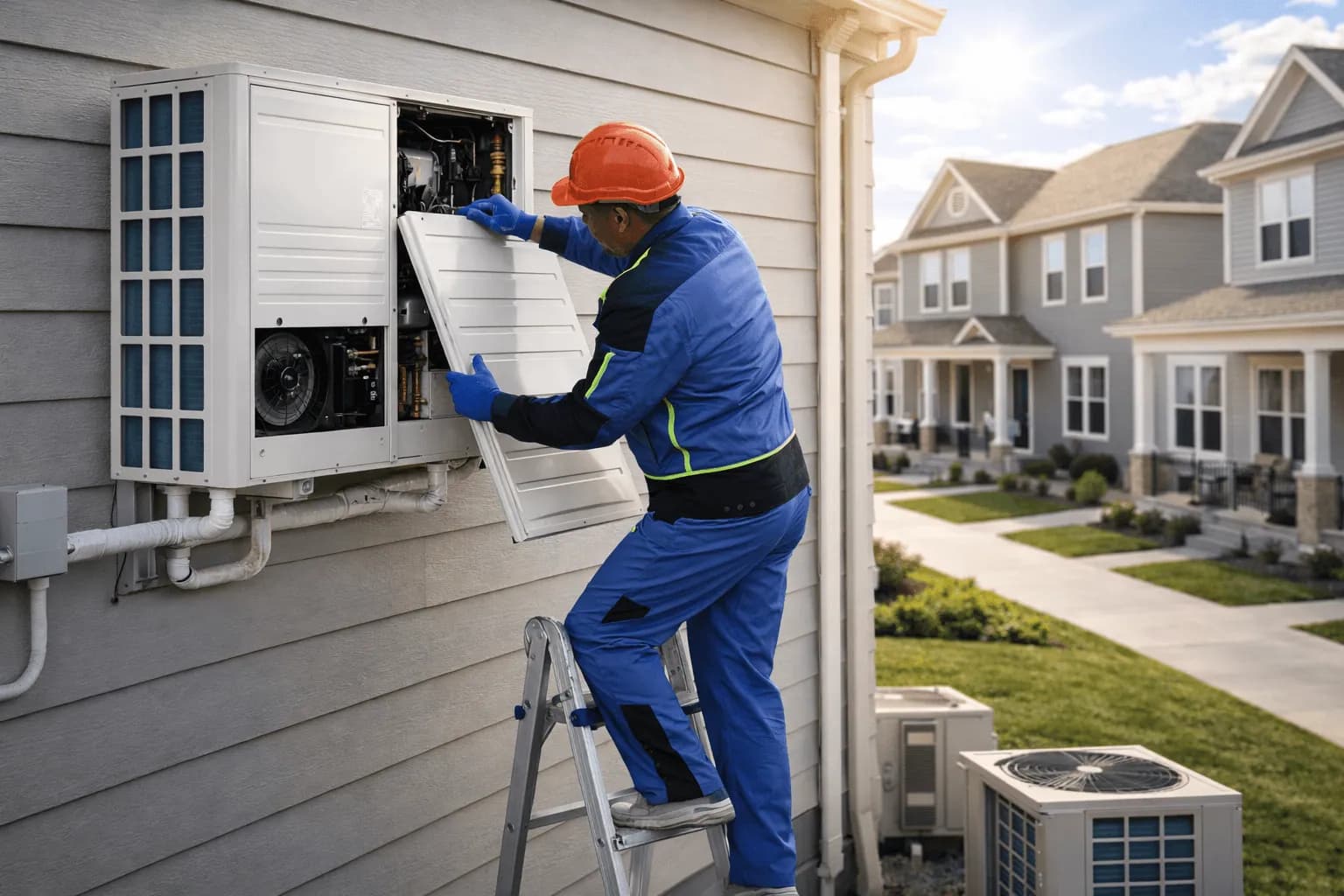
How to Choose an HVAC Contractor (and Avoid Overpaying)
Your heating and cooling system is one of the most expensive pieces of equipment in your home, and a full replacement can run several thousand dollars. Choosing the right contractor matters just as much as choosing the right unit. The wrong installer can leave you with an oversized system, sky-high energy bills, and repairs that start far sooner than they should. Here is how to hire well and avoid paying more than you need to.
Start With Verification, Not Price
The cheapest quote is rarely the best deal. Before you compare numbers, confirm the basics:
- License: HVAC work requires a state or local trade license in most areas. Ask for the number and verify it.
- Insurance: Require both liability insurance and workers' compensation. If an uninsured worker is hurt on your property, you could be liable.
- EPA certification: Technicians who handle refrigerant must hold EPA Section 608 certification.
- Manufacturer credentials: Many brands certify dealers who are trained on their equipment, which protects your warranty.
On Win My Work, every contractor is verified as licensed and insured before they can bid, so you skip the background-checking legwork.
Insist on a Load Calculation
The single biggest mistake in residential HVAC is sizing equipment by rule of thumb instead of math. A quality contractor performs a Manual J load calculation that accounts for your square footage, insulation, windows, ceiling height, and climate. An oversized unit short-cycles, wears out faster, and fails to remove humidity. An undersized unit runs constantly and never keeps up.
If a contractor quotes a tonnage after a quick glance and no measurements, that is a red flag. Ask directly: "Did you run a Manual J?"
Understand What Drives the Price
HVAC quotes vary widely because the scope can differ dramatically. Here is a rough breakdown of common system replacements:
| System Type | Typical Installed Cost | Best For |
|---|---|---|
| Central AC only | 3,800 - 7,500 | Replacing a failed condenser |
| Furnace only | 3,000 - 6,500 | Heating-focused upgrades |
| Heat pump system | 5,500 - 12,000 | All-in-one heating and cooling |
| Full system (AC + furnace) | 7,000 - 14,000 | Aging equipment replaced together |
| Ductless mini-split | 3,500 - 8,000 | Additions, rooms without ducts |
Prices swing based on efficiency rating (SEER2 and AFUE), ductwork condition, and local labor rates. Higher-efficiency equipment costs more upfront but lowers monthly bills, so weigh the payback period against how long you plan to stay.
Compare Quotes the Right Way
Collecting three to five quotes is smart, but only if you compare them on equal terms. Make sure each quote spells out:
- The exact equipment make, model, and efficiency rating.
- Whether ductwork, the thermostat, and the line set are included.
- Labor, permits, and disposal of the old unit.
- The full warranty on both parts and labor.
A common upsell tactic is to quote a premium system you do not need. Ask what problem each upgrade solves. If the answer is vague, push back.
Watch for These Overpaying Traps
- Pressure to decide today. Legitimate contractors honor a quote for at least a week.
- Refrigerant recharges as a recurring fix. A system that needs refrigerant every season has a leak that should be repaired, not refilled.
- Skipping the permit. Unpermitted work can fail inspection and complicate a future home sale.
- No written warranty. Always get warranty terms in writing.
Get Maintenance in Writing
The best contractors offer a maintenance plan, but read what it covers. A good tune-up includes cleaning coils, checking refrigerant charge, testing electrical connections, and inspecting the heat exchanger. Regular maintenance keeps efficiency high and catches small issues before they become emergency calls in the middle of a heat wave.
Ready to Hire With Confidence?
You do not have to chase down licenses, insurance certificates, and references on your own. Post your HVAC project on Win My Work and get free, competitive quotes from verified local contractors who are already confirmed as licensed and insured. Describe your home and your goals, compare detailed bids side by side, and choose the installer who explains their work clearly instead of just naming the lowest number.