Storm Chasers: Roofing Scams After a Hailstorm
Why the roofer at your door after a storm may not be what they seem, the deductible pitch that is illegal, and how to tell a storm chaser from a local roofer.
Storm Chasers: Roofing Scams After a Hailstorm
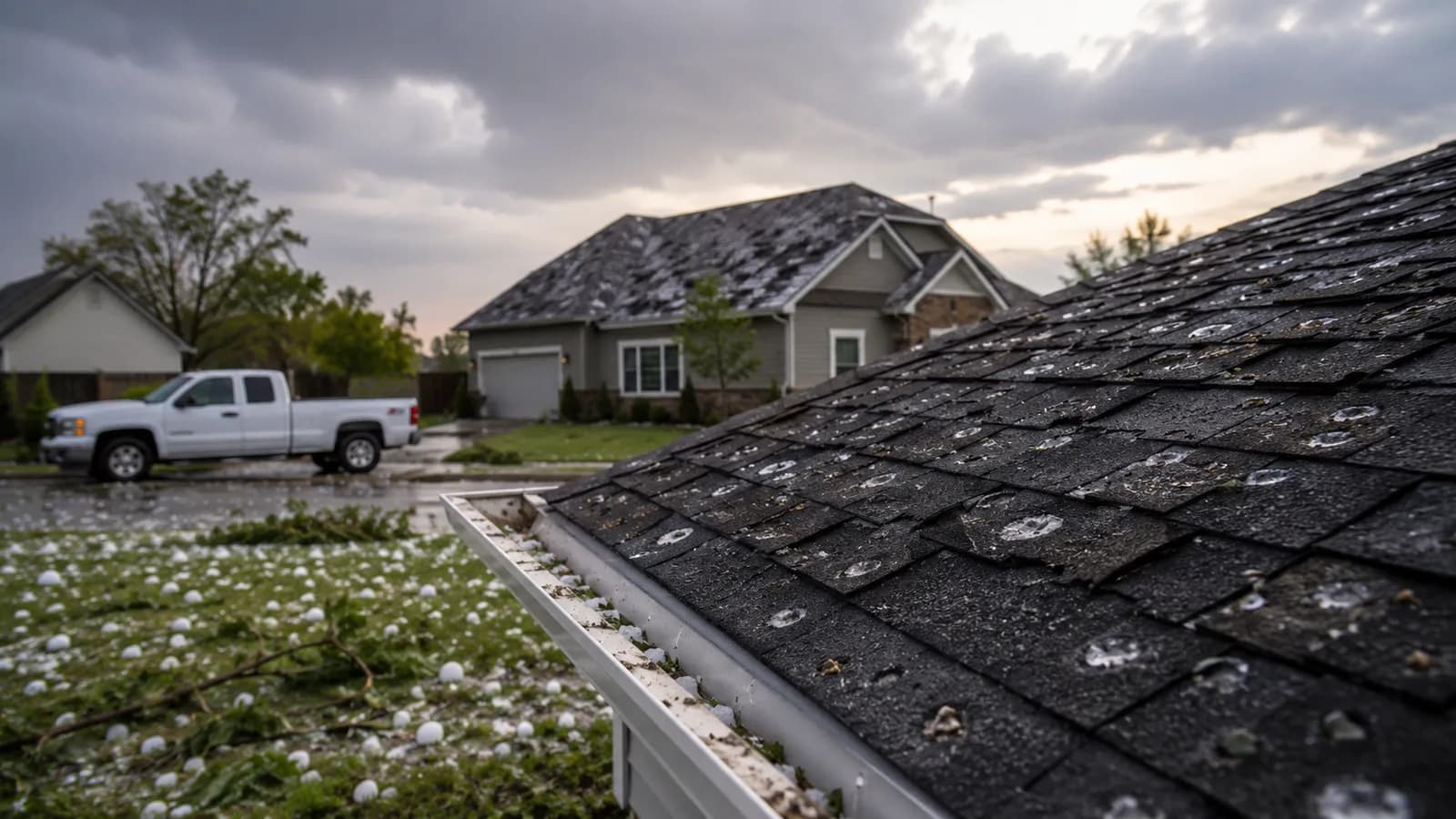
A storm passes through. Within a day or two, someone knocks on your door. They are friendly, they are already holding a clipboard, and they tell you they noticed damage on your roof from the street. They can handle the whole thing through your insurance, and they can start this week.
Sometimes this is a legitimate local roofer doing exactly what a legitimate local roofer does after a storm. Often it is not. The pattern is common enough to have a name in the trade: storm chasing.
What Storm Chasing Actually Is
Storm chasers are crews that follow severe weather from region to region, working an area intensively for a few weeks while insurance claims are being filed, then moving on. Some are competent. Many are not, and a subset are running an outright fraud.
The business model is what creates the risk. A company with no permanent presence in your area has no local reputation to protect, no office you can visit in six months, and no realistic way to honor a workmanship warranty once they have moved three states away. Whatever they promise about standing behind the work, the structure of their business makes it unlikely.
The Four Tactics to Recognize
1. Damage that was not there before
The pitch usually starts with a free inspection. Some crews find damage that does not exist, or look at a genuinely damaged area from the ground and inflate it substantially to produce a larger claim. The worst of them cause damage themselves while they are up there, which is why you should never let an unvetted stranger onto your roof.
2. The deductible offer, which is illegal
This is the one to understand clearly. A contractor offers to waive, absorb, or eat your insurance deductible, so the repair costs you nothing out of pocket.
That is insurance fraud. It works by inflating the invoice to the insurer to cover the deductible the contractor claims to be absorbing, which means the insurer is billed for money nobody paid. Homeowners are frequently told it is a normal courtesy. It is not, and participating can put your own policy at risk, including premium increases or cancellation, quite apart from the legal exposure.
A contractor who opens with this has told you how they do business. There is nothing else you need to learn about them.
3. Sign right now
Urgency is the core technique. Your neighbors are all signing. The crew is in the area only this week. Prices go up Monday. Sometimes the document presented is not a contract at all but an assignment of benefits, which transfers your right to deal with your own insurer over to the contractor.
Read anything before you sign it, and never sign on a doorstep.
4. Money up front
A large deposit, cash preferred, before any work begins. On a storm job where insurance is paying, a substantial upfront demand makes very little sense. See our guide to what a normal deposit looks like for the numbers that should apply.
How to Tell a Storm Chaser From a Local Roofer
Ask these, and pay attention to how comfortable the answers are:
- Where is your office? Not a mailing address or a rented mailbox. A physical location you could drive to. Ask how long they have been at it.
- What is your license number? Then verify it with the state yourself rather than accepting the card. Check that the license class actually covers roofing and that the status is current.
- Can I see your certificate of insurance? General liability and workers compensation, in the name of the business you would be contracting with.
- Who honors the workmanship warranty in five years? A local company answers this easily. Listen for vagueness.
- Can you give me three local references from the last two years? Chasers cannot, because they were not here.
- Are you pulling the permit? Roof replacement usually requires one. A contractor who wants you to pull your own permit may not be licensed to pull it themselves.
A local roofer with a real business finds all of these boring and routine. Discomfort is the signal.
What to Do Right After a Storm
The order matters:
- Make it safe, and stop the damage getting worse. Emergency tarping to prevent water entry is reasonable and usually covered. Keep the receipts.
- Photograph everything from the ground, and the interior damage too. Date-stamped.
- Call your insurer first, before you engage any contractor. Your policy sets the claim process, and starting outside it creates problems later.
- Do not let anyone on your roof who you have not vetted. This includes for a free inspection.
- Get your own quotes from established local roofers, on your timeline rather than theirs.
- Never sign anything at the door. No exceptions, no matter how good the offer sounds.
If a stranger arrives at your door with a storm damage pitch, the complete correct response is to thank them, say you will be contacting your insurance company, and close the door. You are not being rude. You are declining an unsolicited sales approach at a moment when you are stressed, which is exactly when it was timed to arrive.
Frequently Asked Questions
Is every door-knocking roofer a scammer?
No, and treating them all as fraudsters is unfair to legitimate local companies. Canvassing after a storm is a normal way for established roofers to find work, and a local business with a real address, a verifiable license, and references from your area may be perfectly good. The distinction is not whether they knocked, it is what happens when you start asking questions. A legitimate roofer will happily leave a card, wait while you check their license, and let you get competing quotes. A storm chaser needs a decision today, because their entire model depends on volume before the area cools off. Apply the same verification you would to any contractor, and let the answers rather than the sales approach decide.
What if I already signed something at the door?
Act quickly, because timing matters. Many states give homeowners a right to cancel a home improvement contract signed somewhere other than the contractor's place of business, commonly within three business days, and storm-related contracts sometimes carry additional protections. Cancel in writing, keep proof of when you sent it, and notify your insurer that you have done so. Read carefully to determine whether you signed a contract or an assignment of benefits, since the latter hands your contractor authority to deal directly with your insurer on your behalf and can be considerably harder to unwind. If you are outside the cancellation window or the document is an assignment, it is worth a consultation with an attorney before paying anything.
Should I use the contractor my insurance company recommends?
You are generally free to choose your own contractor, and it is worth knowing that before anyone tells you otherwise. Insurer-preferred programs can be convenient and often come with a workmanship guarantee backed by the carrier, but the contractor in that arrangement has an ongoing commercial relationship with the party paying the claim, which is a consideration worth weighing. The reverse also applies: a contractor who insists on handling everything with your insurer and discourages you from talking to your own adjuster is not protecting you. The strongest position is usually your own verified local roofer, quoting the work independently, with you dealing directly with your insurer.
Get Quotes on Your Own Timeline
The pressure to decide immediately is the tactic. Removing it removes most of the risk.
On Win My Work you can describe your roof project once and receive competing quotes from verified, licensed and insured local contractors, at whatever pace suits you. If a claim is involved, our guide to a denied roof insurance claim covers what happens when your insurer and your roofer see the damage differently.
Ready to Start Your Project?
Get free quotes from verified, licensed and insured local contractors on Win My Work - safe, with no obligation.